
Launching or consolidating a private label coffee range is a crucial strategic decision. The quality of the final product defines your brand's reputation in the market.
Often, the first instinct is to assess suppliers solely on the basis of their price per kilogram. However, relying exclusively on cost can compromise sensory consistency, food safety and the sustainability of the project.
So, what distinguishes an ordinary supplier from a reliable industrial partner?
When choosing a private label coffee manufacturer, it is important to consider six aspects: raw material control, production process quality, food safety, consistency of the flavour profile, certifications and innovation capabilities.
What criteria should be assessed when choosing a private label coffee supplier for grocery retail?
Assessing a manufacturer cannot be limited to the characteristics of the finished product. It is essential to consider the entire supply chain, from green coffee selection through to product preservation and distribution.
Coind's experience in private label coffee production provides an opportunity to explore these criteria through the procedures and expertise developed by the company over more than sixty years of operation.
1. How can green coffee quality control and supplier qualification be verified?
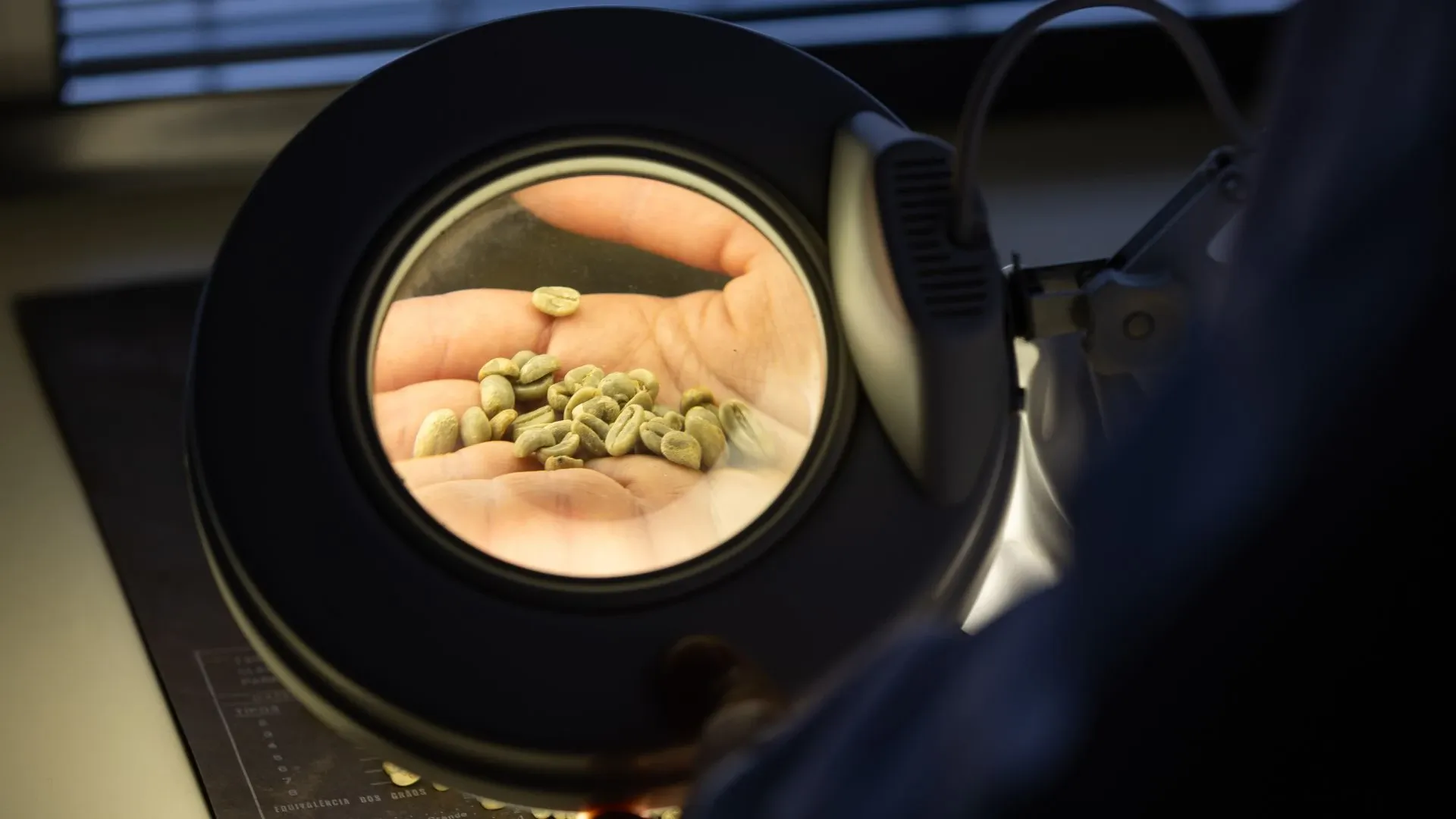
Coffee quality begins with raw material selection. When evaluating a coffee roaster, it is therefore essential to verify how and when green coffee inspections are carried out and which standards are applied when selecting suppliers throughout the supply chain.
A reliable industrial partner must apply strict criteria not only to coffee itself, but also to all the factors involved in the production process.
Since 1961, Coind has applied a rigorous standard: no batch of green coffee enters the production process without first being inspected, analysed and approved by the company's R&D laboratory.
This approach extends across the entire supply chain through supplier qualification and continuous monitoring procedures covering raw materials, packaging, production machinery and equipment.
The sensory consistency of blends is also ensured through multi-level quality controls, which follow the coffee through the various stages of purchasing, receiving and packaging, all the way to the point of sale.
This system of inspections forms part of the broader coffee processing process, from bean selection to the packaged product.
2. How are the production process and coffee shelf life controlled?
Quality control must not be limited to the finished product but must cover every stage of production. For a private label brand, this means relying on a partner capable of guaranteeing consistent quality characteristics over time and compliance with the regulations in force in the country where the product is marketed.
For this reason, Coind's production process includes comprehensive quality controls at every individual processing stage, with the aim of ensuring consistent product quality and full compliance with applicable regulatory requirements.
An equally important role is played by the validation of the finished product and its shelf life. Through continuous and rigorous testing, the effectiveness of the control measures implemented throughout the supply chain is verified, ensuring that the organoleptic characteristics and quality of the coffee remain unchanged throughout its intended shelf life.
3. What controls ensure coffee food safety?
Coffee is an agricultural product and, as such, may be subject to natural contamination, including contamination by Ochratoxin A.
When selecting a private label manufacturer, it is therefore essential to ensure that the company has established analytical expertise and documented experience in food safety management. These aspects are fundamental to protecting both consumer health and brand reputation.
The detection and determination of contaminants is an area in which Coind has developed almost thirty years of experience.
Since 1999, the company has carried out systematic testing for Ochratoxin A, combining its control activities with collaboration and prevention projects directly in coffee-producing countries of origin.
4. How can the flavour profile of a private label coffee blend remain consistent?
Consistent taste, cup after cup, is one of the factors that contribute to end-consumer loyalty. For a retailer's own-brand product, maintaining the agreed flavour profile over time means preserving a fundamental element of brand identity.
A well-established manufacturer cannot rely exclusively on individual experience to achieve this result but must use scientific tools and qualified tasters.
As early as 1997, Coind was among the first companies in Italy to invest in scientific sensory analysis, combining the expertise of its technicians with structured assessment methodologies.
Today, the company has a sensory panel comprising qualified tasting assessors, which is used to verify compliance with and consistency of the flavour profile defined with the customer.
This system makes it possible to maintain the agreed sensory characteristics for each private label brand over time.
5. What certifications and sustainability standards should a coffee manufacturer have?
A private label product directly reflects the values and commitments of the brand that markets it. For this reason, choosing a coffee roaster should also involve assessing compliance with ethical, environmental and safety standards, preferably verified and certified by independent third parties.
Certifications are an important factor in assessing a manufacturer's reliability and its ability to operate according to internationally recognised requirements.
Coind adopts an Integrated Quality, Safety and Environmental Management System, certified in accordance with rigorous voluntary international standards.
The company's commitments include legality, product authenticity, protecting workers' health and safety, respecting the environment and promoting gender equality.
These principles are reflected in the company's policies and management systems, as described in the sections dedicated to certifications and quality controls and sustainability.
6. How important are R&D, innovative packaging and market support?
The choice of a private label coffee manufacturer also depends on the role the supplier can play in product development.
There is a significant difference between relying on a supplier that simply executes instructions and working with a partner capable of supporting the customer in defining the blend, selecting packaging and identifying solutions aligned with market trends.
From this perspective, research and development become an integral part of the service.
Coind's activities focus in particular on three areas:
- Research into innovative materials: Ongoing testing and experimentation with innovative, low-environmental-impact packaging materials, with the aim of consistently ensuring proper product preservation and the maintenance of its quality characteristics.
- Development of customised blends and tailor-made products: Creation of dedicated blends and customised recipes designed to express the identity of the customer's brand as effectively as possible.
- Strategic market consultancy: Supporting customers' decisions through the company's accumulated expertise and continuous monitoring of consumer trends in the relevant market.
In this way, the partnership goes beyond coffee production to include the development and customisation activities needed to enhance the value of the private label project.
Choosing a private label coffee manufacturer means choosing a long-term partner
Price is an important factor when evaluating a supply agreement, but it cannot be the only selection criterion.
Raw material control, food safety, product consistency, certifications and innovation capabilities all contribute to determining a manufacturer's reliability and its ability to support a retailer's own-brand project over time.
With over sixty years of industrial experience, Coind provides its customers with technical expertise, rigorous quality controls and customised solutions for the development of private label coffee ranges.
Are you evaluating a manufacturer for a new private label coffee project or looking to strengthen an existing range?
Contact Coind's sales team to discuss your project's requirements and learn more about the available production and customisation solutions.

 English
 Italian
 German
 Spanish